




























fbpx

Motion & Graphics Tutorials

User Stories

2017: A Year in Moving Images

If 2017 made you want to run into a movie theatre and hide, you aren't alone. Luckily,…
2017: A Year in Moving Images

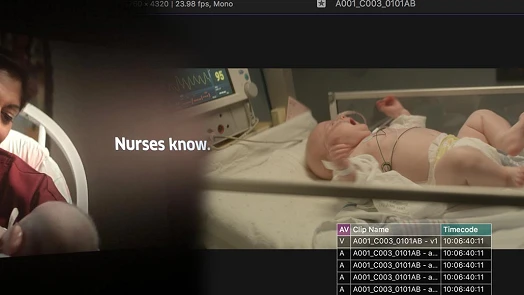
ONA: Better Care for a Lifetime

Following up on his article last week, Adam Schoales now posts about his latest project.…
ONA: Better Care for a Lifetime

In-Depth Tutorials

Demystifying Final Cut Pro XMLs by Philip Hodgetts and Gregory Clarke

XML is an acronym that gets used a lot in editing and the transfer of media in the FCPX ecosystem. But what exactly is XML?, how is it used and how can you begin to understand the power of the plain text language? Workflow experts Philip Hodgetts and Greg Clarke start with the basics of XML and…

We built a pool! Publishing animating Motion textures to Final Cut Pro X

Want moving textures in Final Cut Pro X? Plugin building expert Fox Mahoney shows us how to construct a moving water texture in Motion and publish it to FCPX. Great knowledge that will extend the capabilities of 3D text even further. Link to the free finished moving water texture generator plugin…
animating textures fcpx

Big Sur & Apple Silicon

Mobile Creator

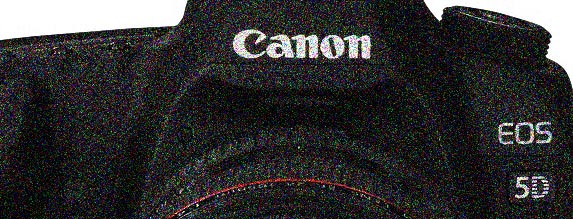
canon_5d_noise_iso

Those familiar to DSLR will probably have come across discussions of which of the cameras' ISO settings to use and which to avoid. What's more important images with less noise or more dynamic range?

"There seems to be a common misconception out there, held by even some very well-regarded experts that the cameras' "native ISO" or "true ISO" settings are the multiples of 160 (ISO 160, ISO, 320, ISO 640, etc), and that the rest of the ISO settings are produced digitally. This is not true. In fact the cameras' native ISO settings (that is, the settings that are derived from analog gain rather than digital exposure compensation) are the multiples of 100 (ISO 100, ISO 200, ISO 400, ISO 800, etc). However, that doesn't necessarily make them better."

Bi-coastal DP, Josh Silfen investigates the truths and untruths about ISO settings on HD DSLRs on his Shootin The Shot website. You can read his blog in detail here. 

So which is more important, shooting images with less noise, or shooting images with more dynamic range? It's obviously subjective, but for Josh there is no one-size-fits-all answer. 

Log in to comment